
treatments offered
Conditions Treated
The following is a comprehensive, but not exhaustive, list of the types of complaints that Chiropractic patients present with
- Neck pain
- Whiplash
- Lower back pain
- Headaches and migraines
- Sciatica
- Scoliosis
- Spinal disc injuries such as disc herniation
- Sports-related injuries
- Tendinitis
- Pregnancy-related pain
- Arthritis
- Sprains
- Joint pain
treatment options
Patient-centred care is central to the modern health-care model. Chiropractors take this very seriously and ensure that all our patients leave the practice understanding what is wrong and what the treatment plan is. We put you first and hope that throughout your treatment experience you feel like you are being listened to, your opinions regarding your own health are seriously considered and that you feel like you are making informed decisions about the path of care.
But what if I don’t want to be ‘clicked’?
We have a number of patients who either prefer not to have joint manipulation done or, it is not an appropriate choice given their condition or history. We use other techniques in these situations and are happy to do so.
Chiropractic manipulation/adjustments
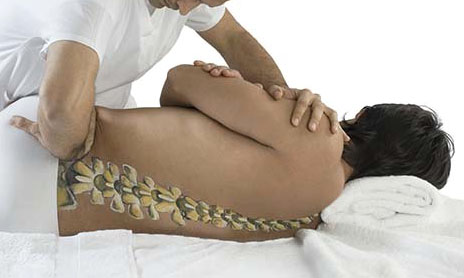
If your chiropractor determines that your case can be treated through chiropractic care, the treatment you will receive will often consist of highly specialized manipulative techniques often referred to as adjustments. Such adjustments are performed by hand and consist of a high velocity low amplitude thrust being applied to a specific vertebra in the spine. Adjustments are safe and some patients can experience immediate relief as the normal joint motion is restored and the nerve is freed of any restrictive pressure or irritation. However, some patients require a few treatments in order to correct the problem. No two patients are the same, so be patient as your body starts to realign itself and learns to adapt to the changes that are occurring.
Instrument assisted soft tissue manipulation (IASTM)
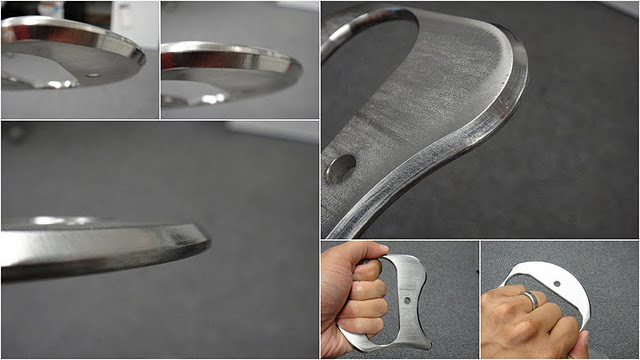
IASTM treatment utilizes a stainelss steel hand held tool to treat the underlying connective tissue/fascial/scar tissue components of an injury site. The bevelled edges and contours can conform to different areas on the body and allows for deeper penetration. Studies have shown clinical benefits of IASTM showing improvements in range of motion, strength and pain perception following treatment.
Dry Needling
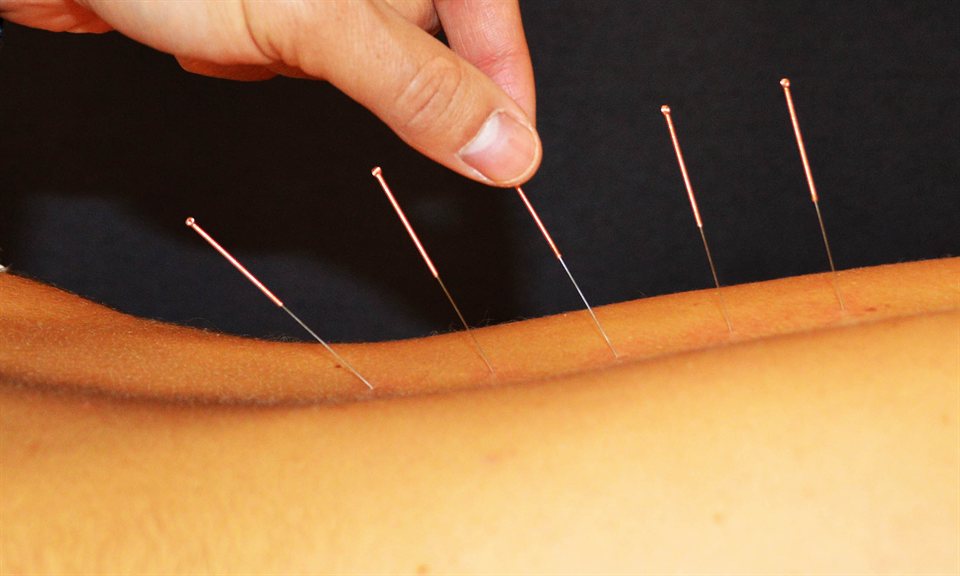
This procedure involves the insertion of a needle into myofascial trigger points (“knots” in muscle or fascia).
Kinesiotape/Dynamic tape

Kinesio taping or Dynamic taping is the application of a thin, stretchy, cotton-based therapeutic tape that can benefit a wide variety of injuries and inflammatory conditions. It is almost identical to human skin in both thickness and elasticity, which allows it to be worn without binding, constricting or restriction of movement.
Benefits can include:
Pain relief,
swelling reduction,
lymphoedema reduction,
reduced muscle fatigue, cramps and DOMS,
assists weak or injured muscles,
quicker return to sport, work and play
Preventative care

Preventative Chiropractic care is very patient specific. Many patients only come in a few times a year for a check-up. However, there are other patients who may need help with: achieving a goal e.g. an upcoming race where they need to adapt to increased training loads without injury chronic stress issues, both postural and psychological which manifest as shoulder and neck tension that will lead to headache/migraine if not dealt with moving better! Our patients enjoy the feeling of moving better and as many Chiropractic patients are proactive about their health and well being, they seek help when they notice dysfunctional movement patterns e.g. roll-down in Pilates in uneven, saddle stirrups are suddenly different lengths or using side mirrors to reverse rather than looking over their shoulder as they might ordinarily do. We aim to educate you about your body so you can notice the signs of your body compensating, have a self-care strategy in place to remedy this and, in the event it is not enough, come in for a treatment.
rehabilitation and home exercises

A home exercise program is a series of exercises that patients complete at home to maintain strength and increase therapeutic gains. Home exercises are designed to be practical, accessible and feasible so that patients can maximize efforts without instruction.